Engineering Team ·
Understanding Zinc Coating Classes: What Z60 to Z275 Actually Mean
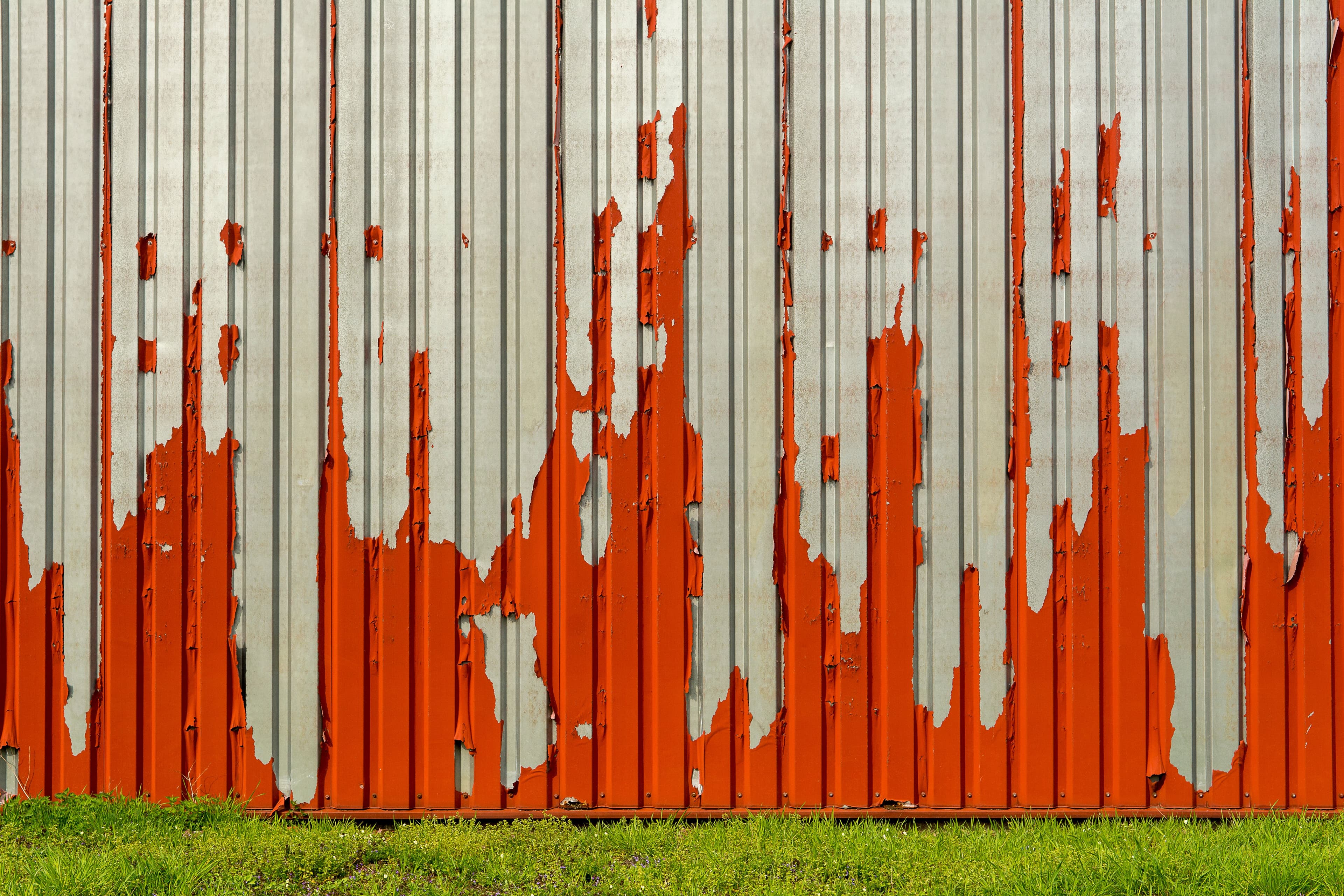
If you've ever looked at a quotation for galvanized steel and seen a coating class like "Z100" or "Z275" without a clear explanation of what it means, you're not alone — the notation looks technical, but the underlying idea is fairly simple once it's unpacked.
What the "Z" number actually measures
The number following the "Z" in a coating class refers to the total mass of zinc coating per square meter of steel, measured in grams, and covering both sides of the sheet combined. So a "Z100" designation means roughly 100 grams of zinc per square meter total. This isn't an arbitrary marketing number — it's a standardized measurement (per ASTM A653 and equivalent standards like JIS G3302) that lets you compare coating weight consistently across suppliers and mills.
Why coating weight matters more than it might seem
Zinc protects the underlying steel in two ways: it acts as a physical barrier against moisture and oxygen, and it provides what's called sacrificial protection, meaning the zinc corrodes preferentially to the steel underneath even where the coating is scratched or damaged. A thicker coating (a higher Z number) simply has more zinc available to sacrifice before the underlying steel becomes exposed to corrosion — which directly translates to a longer service life in a given environment.
Matching coating class to environment
As a general guide, lighter coating classes like Z60 to Z100 are typically adequate for indoor applications or dry, low-humidity environments where the steel isn't exposed to weather. Mid-range classes like Z150 to Z180 are common for general outdoor roofing and cladding in moderate climates. Higher classes like Z200 to Z275 are usually specified for more demanding environments — coastal areas with salt-air exposure, industrial atmospheres with airborne pollutants, or applications where inspection and recoating after installation would be difficult or costly.
When standard galvanizing isn't enough
For environments that are especially corrosive — direct coastal exposure being the most common example — even a high zinc coating class may not deliver the service life a project needs. This is where GL (Galvalume), coated with an aluminum-zinc alloy rather than pure zinc, often makes more sense. The aluminum content provides better long-term barrier protection in these conditions, even though the sacrificial protection mechanism works somewhat differently than pure zinc.
A practical takeaway
When you're specifying galvanized steel, don't treat the coating class as a box to tick — think about where the finished structure will actually sit and how exposed it will be to moisture, salt, or industrial pollutants over its service life. Under-specifying the coating class to save a small amount upfront often costs far more in early repainting, recoating, or replacement than the difference in material cost would have been.