Engineering Team ·
How to Store Steel Coil and Sheet to Prevent Corrosion
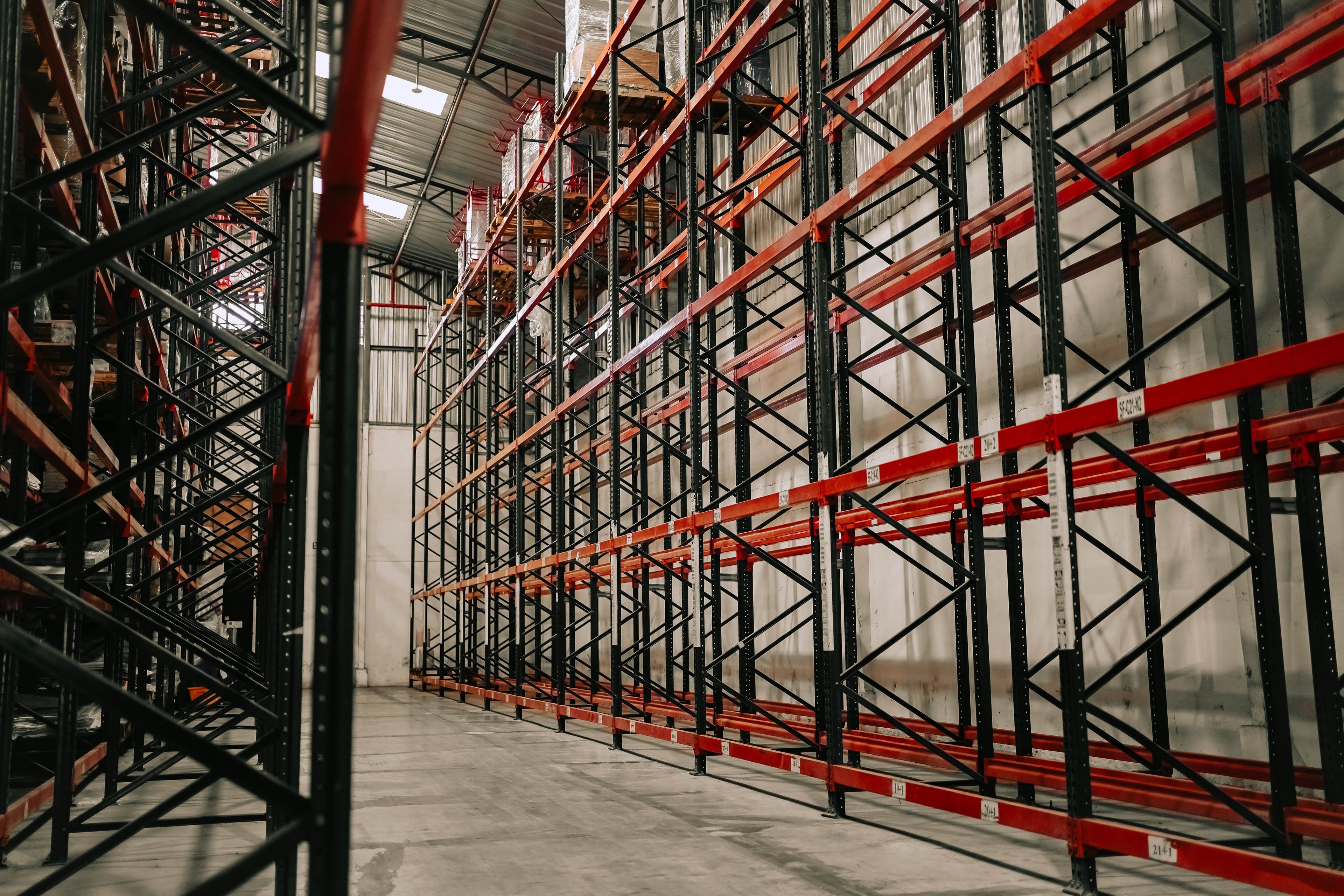
It's easy to assume that once steel has been delivered, the risk of quality loss is behind you — but improper storage between delivery and use is one of the most common, and most avoidable, ways buyers lose material value. A batch of HRC or GP that looked perfect on delivery can develop surface rust or, in the case of coil, "coil break" staining within weeks if it's stored incorrectly.
Keep material off the ground and away from moisture
Steel stored directly on a concrete floor or bare ground will draw up moisture through capillary action, especially in humid climates or during monsoon season. Pallets, dunnage, or raised racking that keeps material at least a few inches off the ground make a meaningful difference, and this matters even for coated products like GP and GL — coating protects against general atmospheric exposure, but sustained standing moisture at a single contact point can still cause localized damage over time.
Cover material, but allow airflow
A tarp or roof over stored steel is important, but sealing material completely without any airflow can trap condensation underneath, which sometimes causes more localized corrosion than leaving it uncovered would have. The goal is to block direct rain and sun exposure while still allowing some air circulation — a properly ventilated warehouse or shed is ideal; a tightly wrapped tarp directly against the material's surface is not.
Store coil on its side, not stacked flat
Coils stored flat and stacked on top of each other put uneven pressure on the material underneath, which can cause slight deformation over time, particularly for thinner-gauge CRC and GP. Storing coils on their sides (eye to the sky, in industry terms) on proper cradles or racking distributes weight more evenly and reduces this risk.
Separate different coatings and grades
Storing bare HRC or CRC near GP or GL coil isn't just a housekeeping issue — condensation or minor rust from an uncoated product can transfer to nearby coated material during storage, and mixed storage makes it easier to accidentally grab the wrong grade during a rushed fabrication job. Clearly zoned, labeled storage areas reduce both risks.
First in, first out
For any buyer holding stock rather than using material immediately, rotating inventory so older stock is used before newer stock arrives reduces the total time any single batch spends in storage. This sounds obvious, but it's easy to lose track of without a simple system — even a basic delivery-date label on each coil or bundle helps enforce it in practice.
Why this is worth the effort
The cost of proper storage — racking, covered space, basic organization — is small compared to the cost of re-processing or scrapping material that's corroded before it was ever fabricated. For buyers holding meaningful stock between deliveries and use, storage discipline is one of the more overlooked ways to protect the value of a steel purchase.